
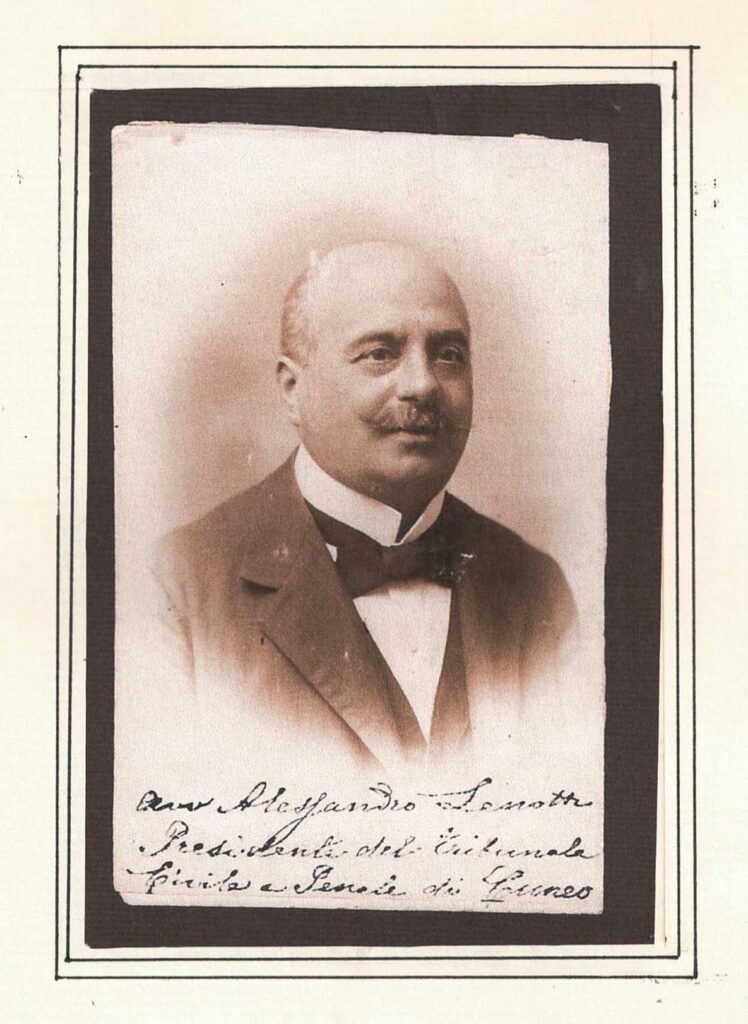
In 1855, Alessandro Lenotti was born. A high magistrate and landowner, he dedicated his life to his work as a magistrate and to his greatest passion: wine. He would be the first generation of the family to dedicate himself to viticulture.
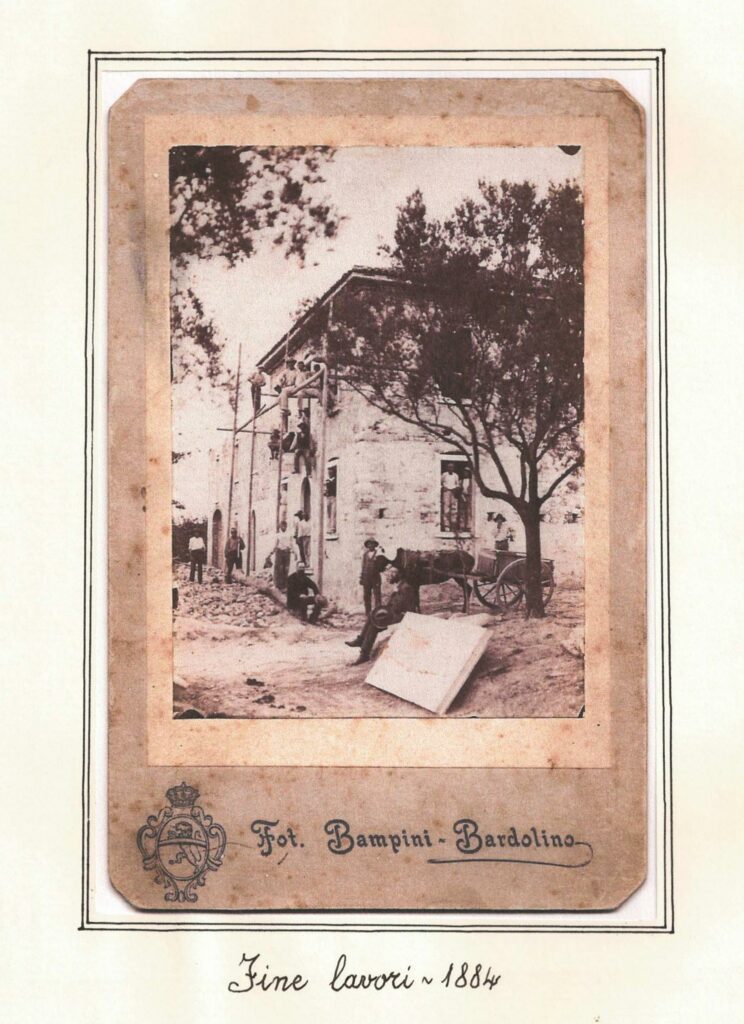
Alessandro Lenotti had Villa "i Broi" built among the hills of Bardolino in a panoramic and central position relative to the family's numerous vine-cultivated estates. The first historic cellar, considered cutting-edge for those times, was built on the lower floor of the villa, with a capacity of 1500 quintals.
Currently, the villa is a splendid holiday home that hosts tourists from all over the world.

Alessandro has three children:
Emilio, born in 1890, who distinguished himself for his civil commitment in the Resistance during the Second World War, becoming "regent" of Bardolino after the expulsion of the fascists;
Ermenegildo, born in 1892, who emigrated to South America in 1915 to escape the First World War, returning in 1935 to dedicate himself to wine, following his father's passion.
Francesco, born in 1895, due to his political ideas against the fascist regime during the Second World War, was imprisoned and deported to the Mauthausen concentration camp, where he tragically died in December 1944. Today, the lakefront promenade in Bardolino bears his name in memory of this tragedy.
The three wolves howling at the moon, the core of the Lenotti family logo, represent the three brothers who, with sacrifice, strength, loyalty, and an indomitable spirit, contributed to the birth and growth of the Lenotti company.
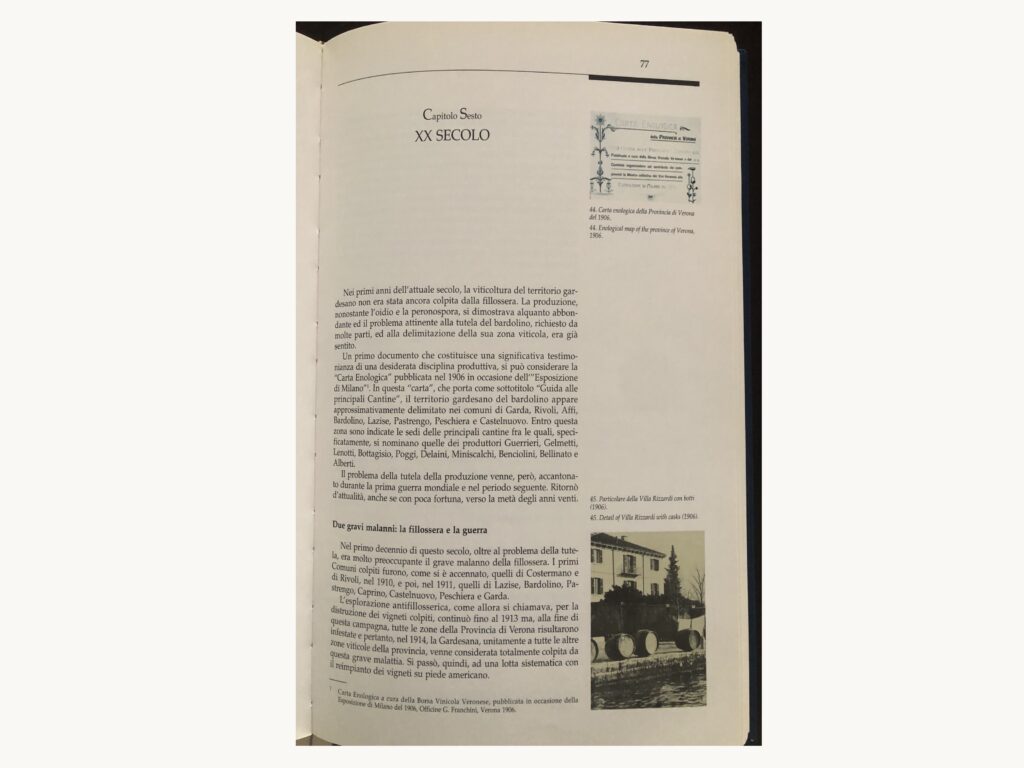
Although the Lenotti Family's wine production dates back much earlier, 1906 is chosen as the founding year because it is the first officially documented date. In the "Oenological Map of the Province of Verona – Guide to the main wineries" published for the occasion of the Milan Expo in 1906, the Lenotti family name appears among the wine producers in Bardolino.
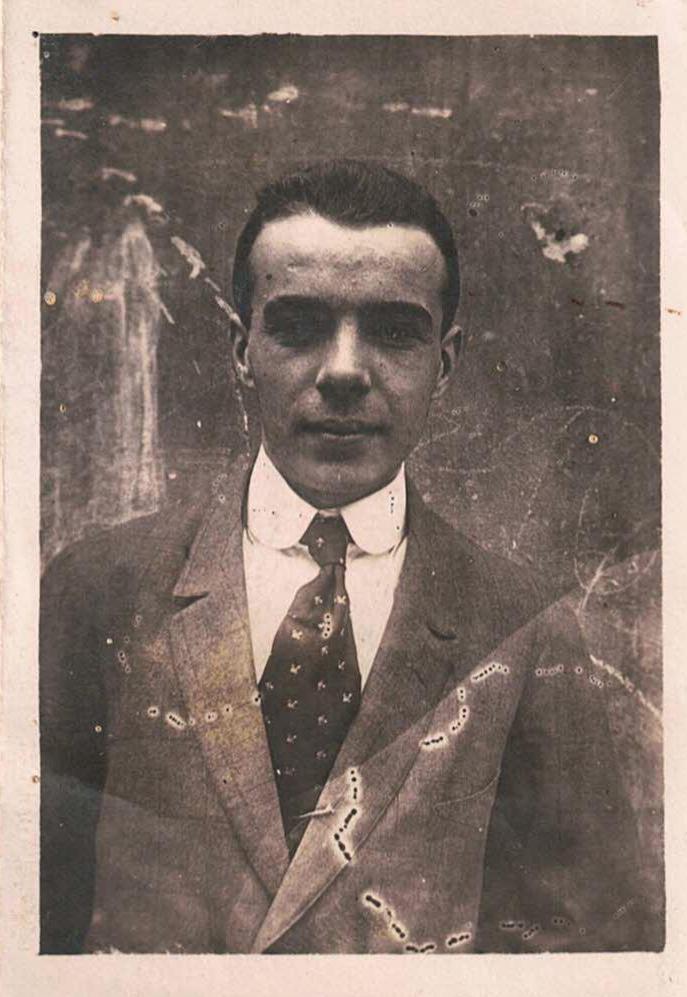
In 1912, at just 20 years old, Ermenegildo Lenotti prepared to face an uncertain future. He became a chemical and oenological expert, and in 1915, to avoid being involved in the First World War, he emigrated to South America, where he remained until 1934. This long experience allowed him to expand his knowledge in various production fields and strengthen his passion for wine production, inherited from his father Alessandro.
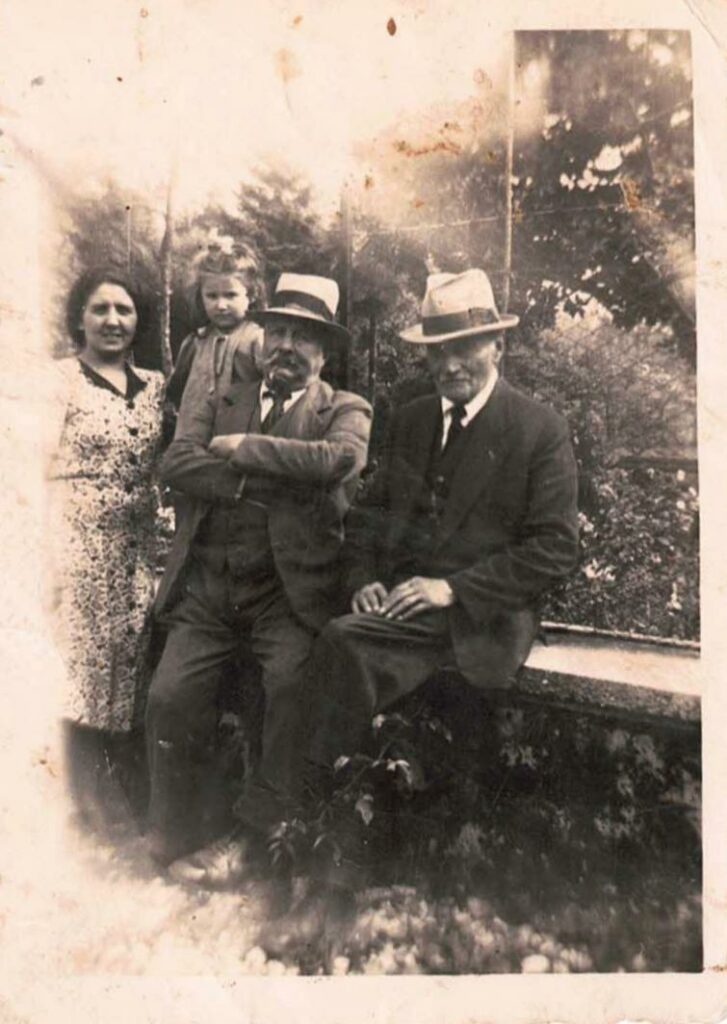
Photo from 1928: In this image, Alessandro Lenotti is central, continuing to grow the company thanks to his deep connection with his land and the supportive family. These were difficult years, but the Lenotti family consolidated its presence in the Bardolino and Valpolicella area, with new generations growing up with great passion among vineyards and olive groves.
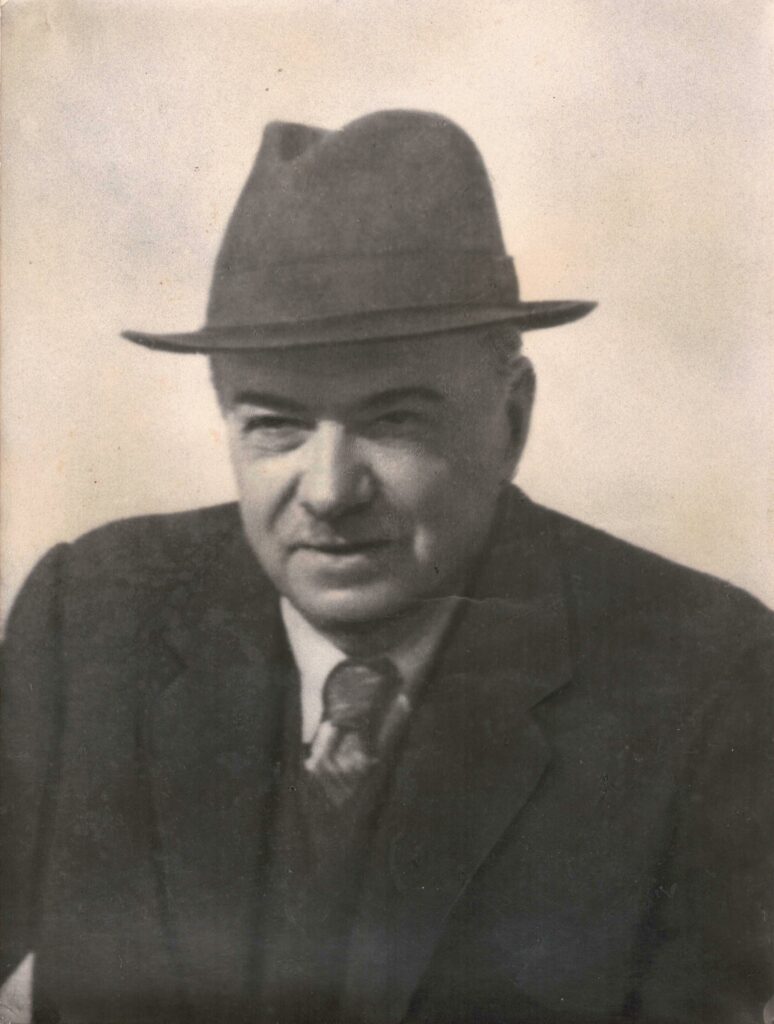
After 19 years abroad, Ermenegildo Lenotti returned from South America in 1934. As a chemical and oenological expert, and knowing the world of wine very well thanks to the teachings of his father Alessandro, he decided to move the winery, which was too small to accommodate all the family's grapes. From Villa "i Broi," he moved closer to the town, to the current location of Cantine Lenotti in Via Santa Cristina, where he vinified the family's own grapes and also purchased additional ones. The produced wine was sold in bulk in demijohns to local inns and to some merchants in Northern Italy.
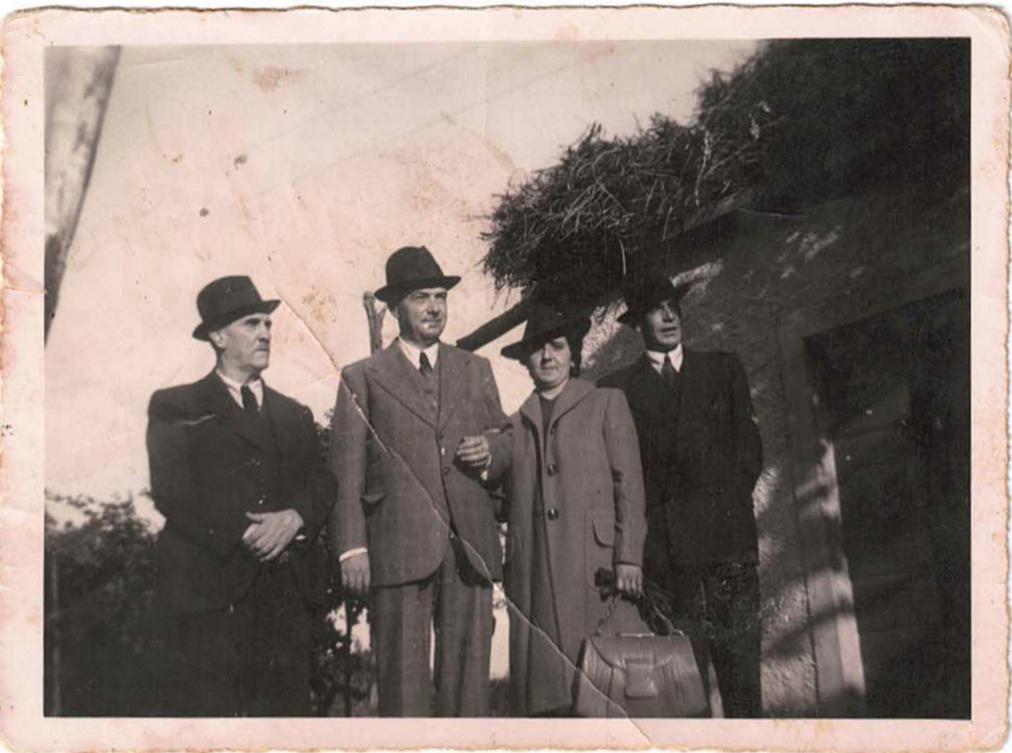
In 1941, Ermenegildo Lenotti married Amelia Baietta. The photograph depicts them at the moment of their departure for their honeymoon. Despite the ongoing war and many difficulties, the family's wine tradition continued. To support his family and business, Ermenegildo also became a salesman of oenological products for the local wineries, and he created a small warehouse next to the cellar.
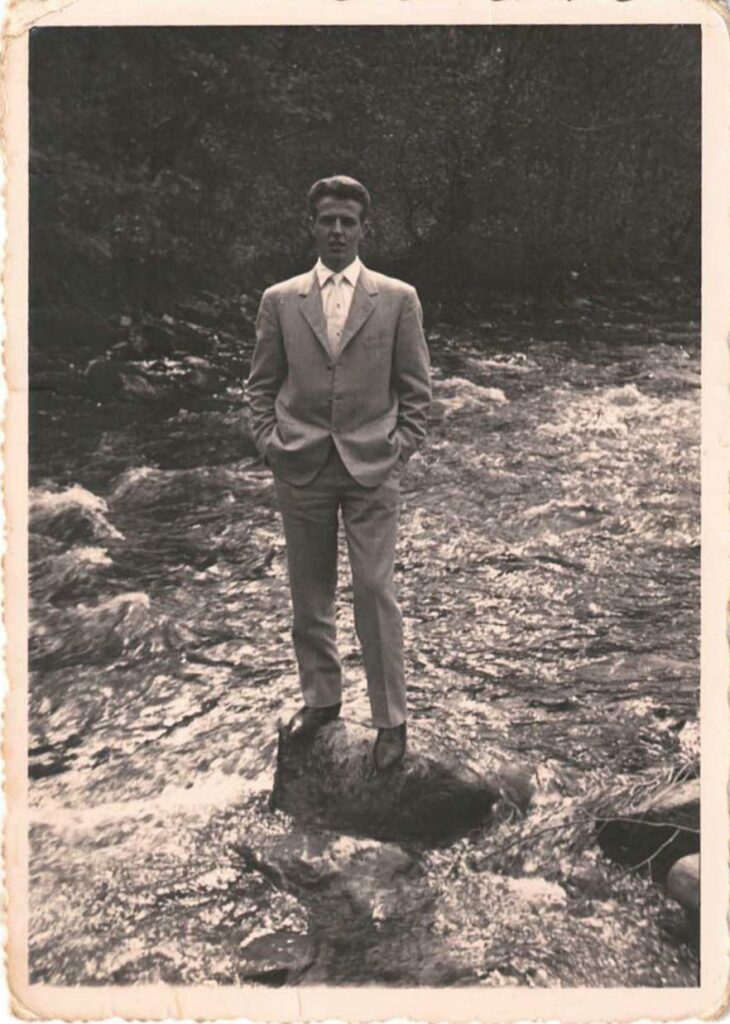
Giancarlo, the son of Ermenegildo and Amelia, was born on November 22, 1943. From an early age, he showed great interest in his father's work, often traveling with him for the sale of oenological products and assisting him in the vinification and marketing phases of the family wines. Driven by a strong vocation in this sector, he decided to pursue studies as an agricultural expert at the prestigious school in Conegliano, where he graduated as an "oenologist" in 1964 with excellent grades and worked until 1969 in an important winery in Sona to increase his experience.
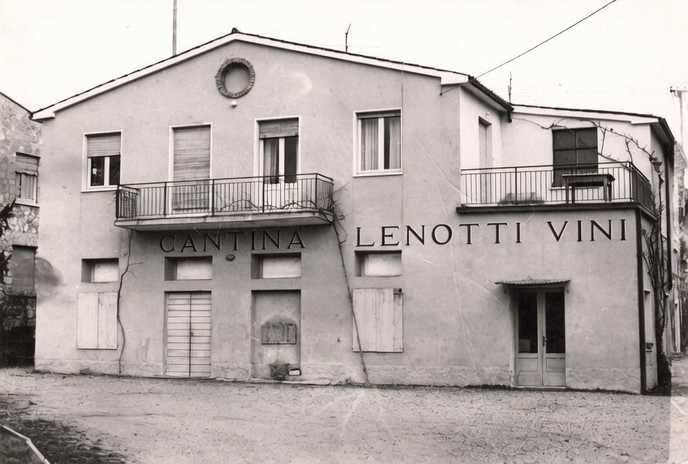
Thanks to his studies and accumulated experience, Giancarlo Lenotti introduced innovative, and for that time revolutionary, production techniques into the company in 1969. With the dream of directly marketing his bottled wine even outside the local area, and always aiming to provide customers with high-quality wines at fair prices, Giancarlo began the bottling activity and expanded the winery by constructing the first sterile, low-temperature bottling line and the first climate-controlled warehouses.
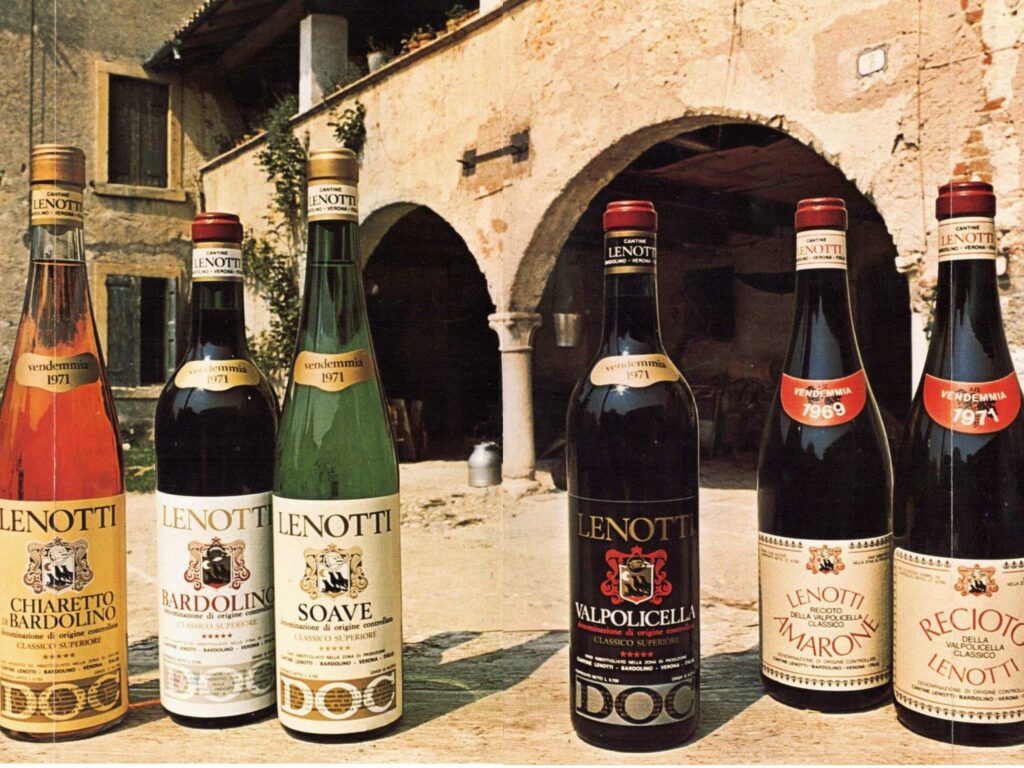
In 1972, the first bottled and labeled Lenotti line was released on the market, featuring the great classics of the area: Bardolino DOC Classico, Chiaretto di Bardolino DOC Classico, Soave DOC Classico, Valpolicella DOC Classico, Recioto della Valpolicella DOCG Classico, and Amarone della Valpolicella DOCG Classico. The first vintage where all these wines were successfully produced and marketed was 1971, with the exception of the Amarone, which was first harvested and vinified in 1969.
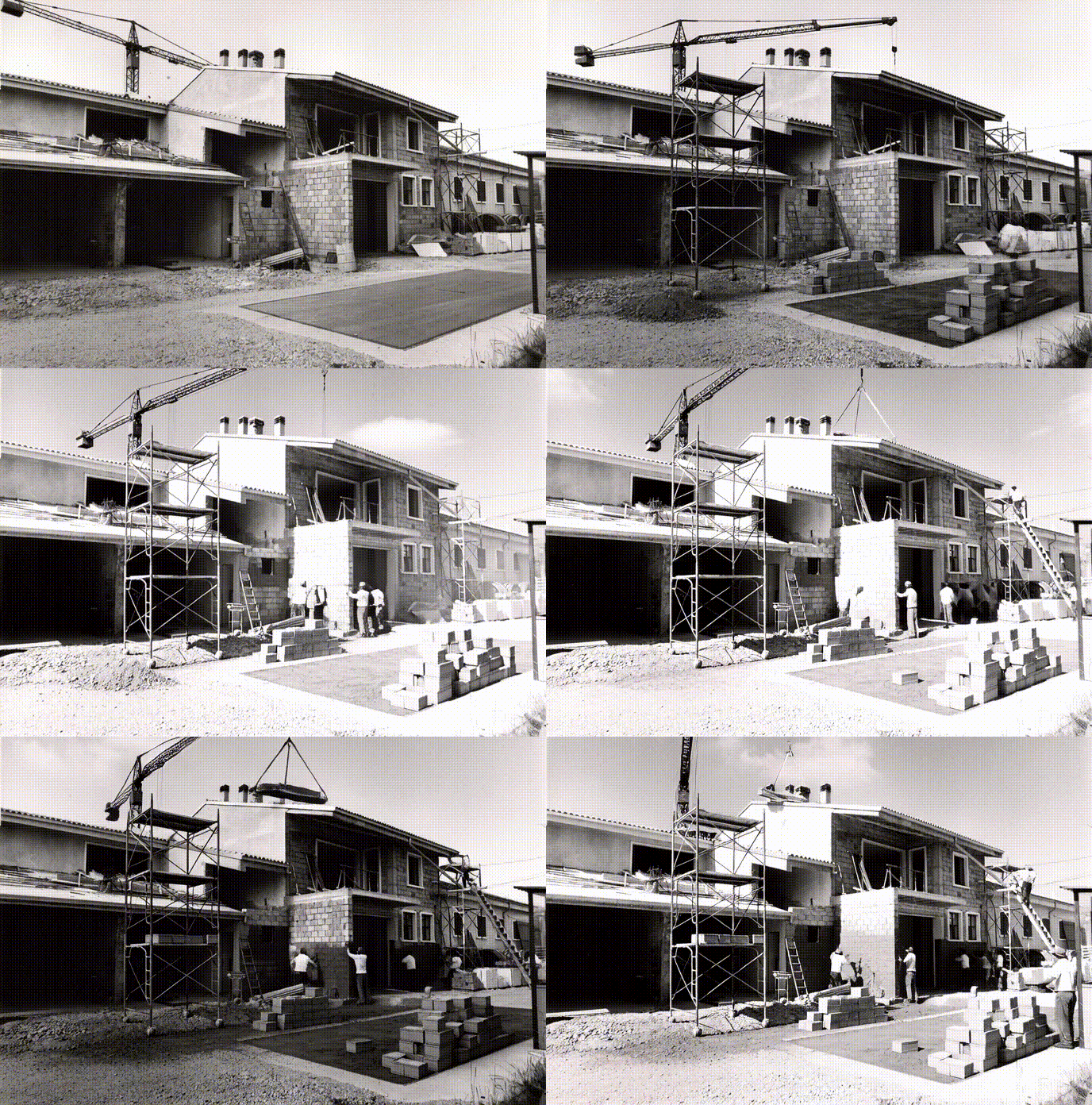
Giancarlo’s intuition to focus on the production of quality wines and direct marketing in bottles proved successful. The growing demand, especially abroad, required an increase in production and the need to further expand the company premises. In 1980, the family home and the original production facilities were completely renovated and expanded. The company area doubled in size.
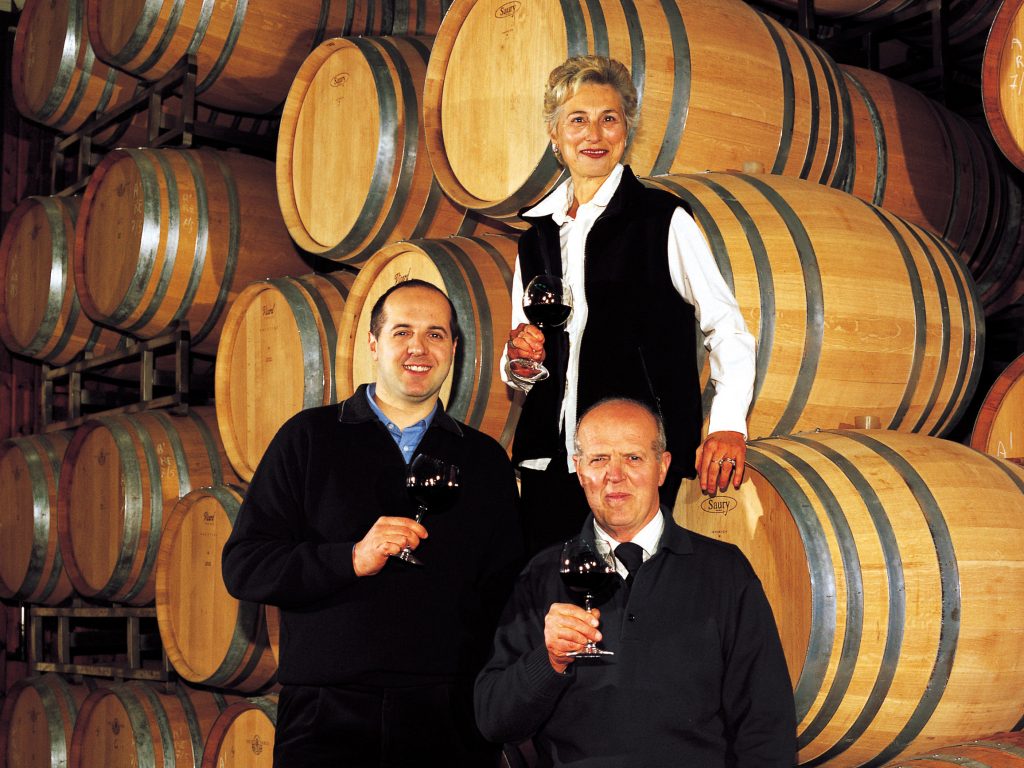
In 1987, Claudio Lenotti, fresh out of school, started working in the winery while simultaneously pursuing his university studies, which soon led him to graduate in business management, marketing, and languages. He worked alongside his father Giancarlo, the oenologist and production manager, and his mother Marina, who was responsible for sales in Italy. He quickly managed to grow foreign sales, eventually leading the company to export over 90% of its production to more than 40 different foreign countries.
The production facilities of Cantine Lenotti have undergone numerous expansion interventions throughout their history (1969-1980-1988-1991-1996-2004/2005-2015). The most important, in 2005, led to a complete renovation with the total renewal of the vinification cellar, the barrel room, the bottling plant, and the creation of an impressive solar panel system capable of guaranteeing energy autonomy for the production of hot water and heating, thereby drastically reducing the environmental impact and energy consumption.
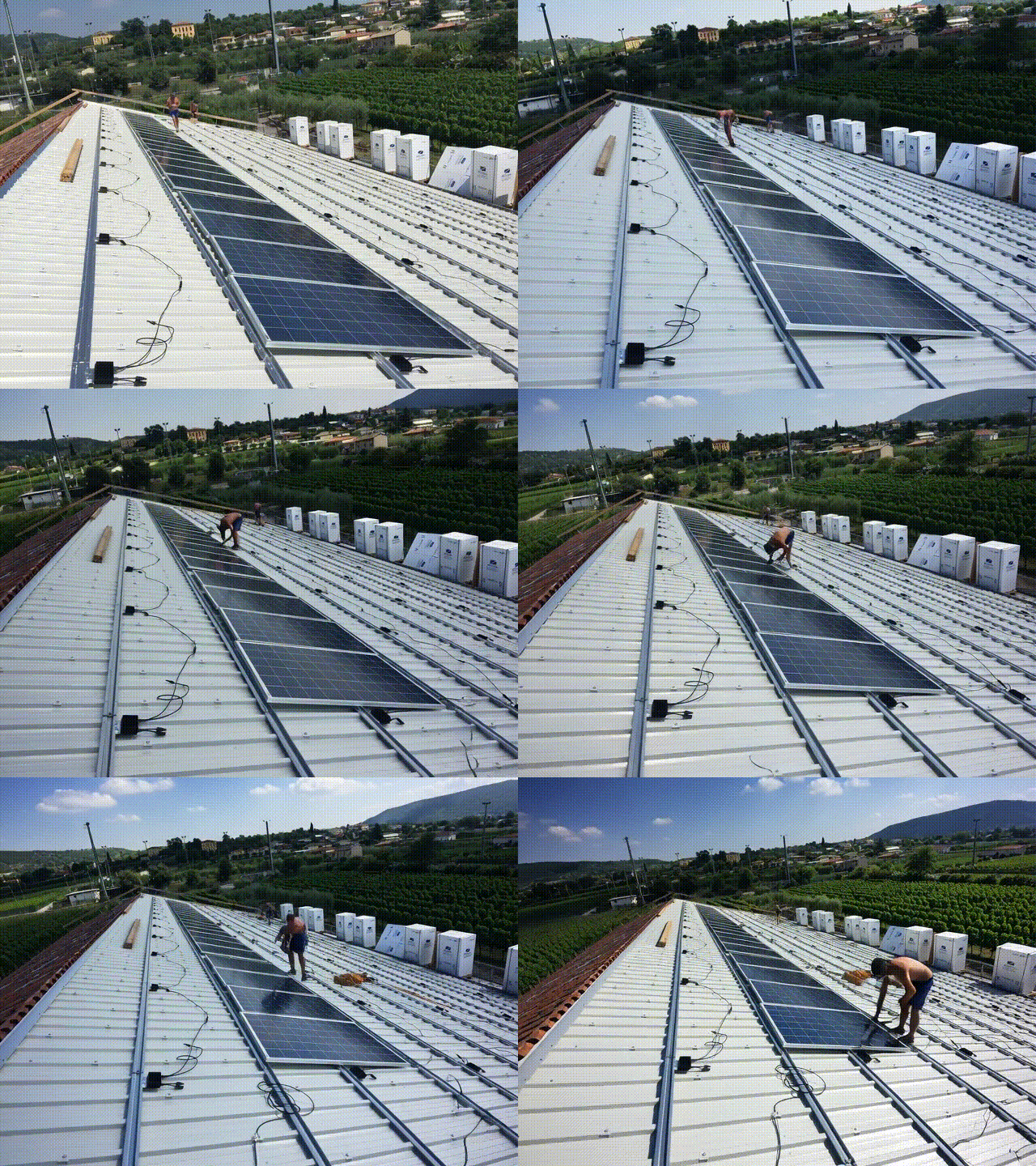
In 2015, a new warehouse section was built, intended for aging red wines in the bottle and storing all wines ready for shipment at controlled temperatures. A significant photovoltaic system was installed on the company's roofs, capable of guaranteeing the winery's total energy autonomy.
Today, the winery has a production capacity of approximately 30,000 hectoliters, divided into 150 stainless steel tanks (always considered capable of ensuring maximum hygiene and safety), 40 oak barrels of 25 hectoliters each, and over 1,000 barriques of 300 and 500 liters. These are used for the aging of the great red wines: "Amarone DOCG Classico," "Di Carlo," "Ripasso Valpolicella DOC Classico Superiore," "Cabernet Sauvignon IGT Veneto," in addition to the specialties "Massimo," "Le Olle," "Decus Ripasso," and "Rosso Passo Collezione in Botte." It also has a state-of-the-art bottling plant capable of fully meeting all production needs.
The company has been certified for years according to the UNI EN ISO 9001:2015 Quality Management System.
 EN
EN  IT
IT  DE
DE